
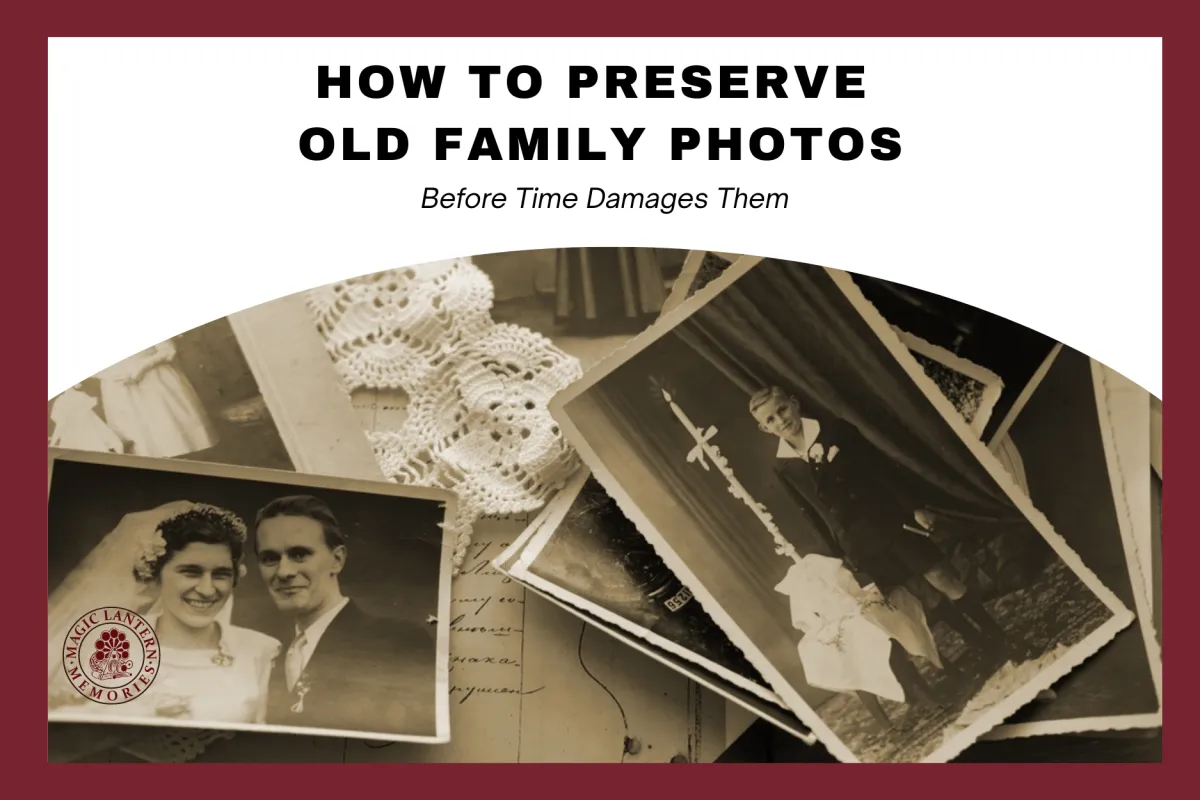
How to Preserve Old Family Photos Before Time Damages Them
Why Preserving Family Photographs Matters
As someone who works with family photographs every day, I often meet people at the moment they realize how fragile their memories really are.
They open a box that has been sitting in the attic for decades. Inside are photographs from childhood, vacations, holidays, and family members who are no longer with us. Sometimes those images are fading, curling, or sticking together. Sometimes they are still beautiful but clearly aging.
Photographs are more than paper. They are visual records of the people, relationships, and moments that shape our lives. Once they are lost or damaged, those memories can be incredibly difficult to recover.
Preserving your photographs now ensures that your family’s history can be shared, remembered, and passed down for generations.
Why Old Photographs Deteriorate Over Time
Many people assume photographs will last forever if they are simply stored in a box or album. Unfortunately, that is not the case.
Several factors contribute to the deterioration of printed photographs, slides, and film.
Heat and humidity can cause photographs to fade or warp. Sunlight and artificial light slowly break down the chemicals used in photographic paper. Even the oils on our hands can leave permanent marks over time.
Many older albums and storage boxes were also made with acidic materials that slowly damage photographs. Adhesives, plastic sleeves, and cardboard pages can discolor or stick to the prints.
Slides and negatives face similar risks. Film can become brittle, colors may shift, and the images themselves can slowly degrade.
Without proper preservation, decades of memories can gradually disappear.
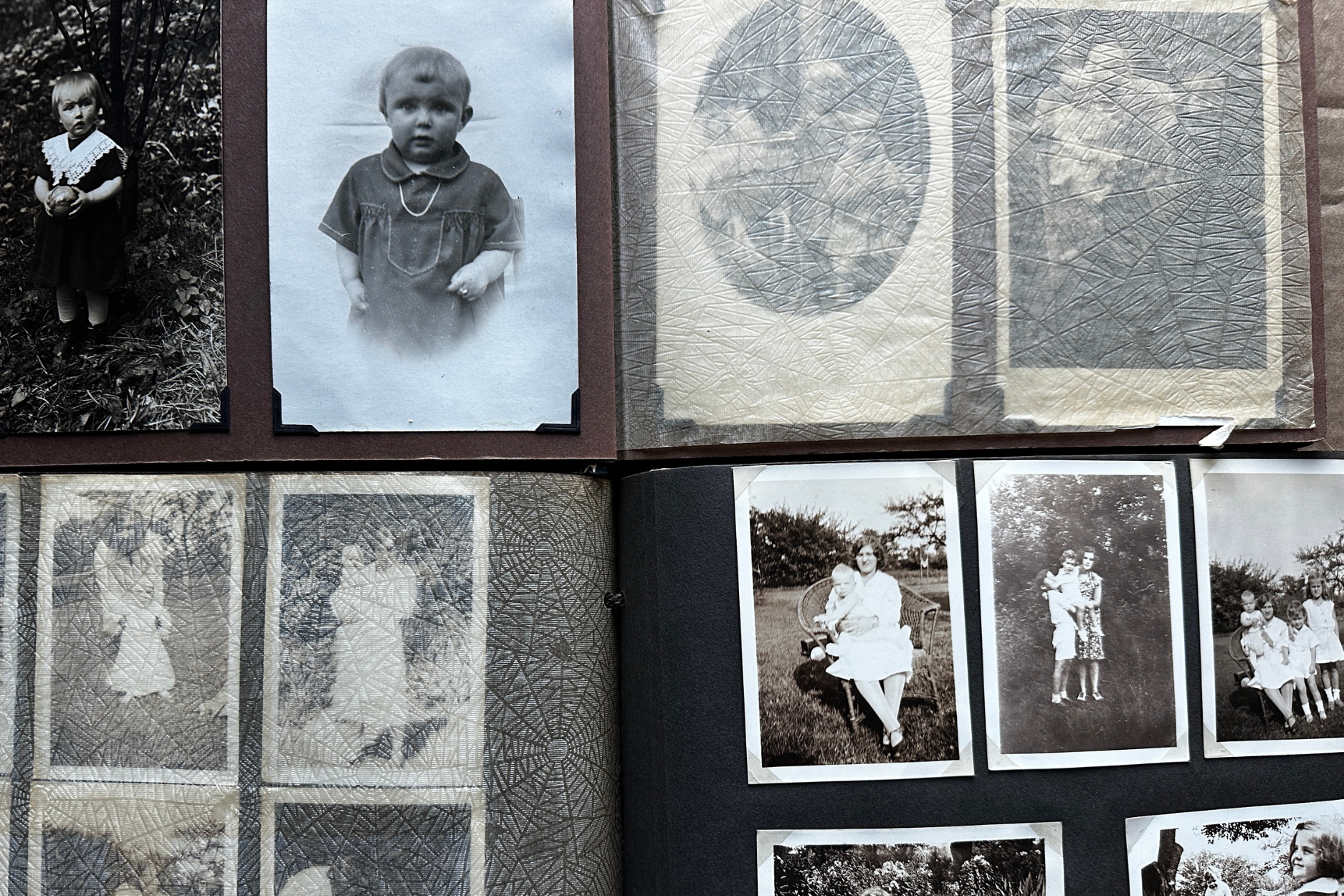
Improve Storage Conditions First
If you currently have boxes of photographs, slides, or negatives, the first step is improving their storage environment.
Photographs should ideally be kept in a cool, dry location away from direct sunlight. Stable temperatures are important, which means attics and basements are usually not the best place to store photo collections.
Archival quality storage materials can also make a significant difference. Acid free boxes, photo sleeves, and archival folders help prevent chemical reactions that damage prints.
Avoid storing photographs in plastic bags, rubber bands, or old cardboard boxes. These materials can trap moisture or release chemicals that accelerate deterioration.
Even simple improvements in storage conditions can extend the life of your photographs.
Why Digitizing Photos Is the Most Effective Protection
While proper storage helps slow deterioration, digitizing photographs is the most reliable way to preserve them long term.
Digitization creates a high resolution digital copy of the original photograph. Once an image has been digitized, it can be safely backed up, shared with family members, and printed again in the future.
Digital copies protect your memories from many risks that physical photographs face, including fading, moisture damage, accidental loss, and environmental exposure.
Many families also discover images they have not seen in years once they begin digitizing old collections.
Slides and negatives often contain the highest quality versions of family photographs, but many people no longer have the equipment to view them. Digitization allows those images to be seen again and preserved permanently.
How to Prepare Old Photos for Digitization
If you are planning to digitize your photo collection, some simple preparation can make the process easier.
Start by sorting photographs into broad groups such as decades, major life events, or family branches. This helps organize the collection without requiring perfect categorization.
Remove obvious duplicates if possible, and keep any handwritten notes or captions that provide context about the photographs.
Handle photos gently and avoid using liquids or cleaning solutions. If prints are stuck together or fragile, it is best not to force them apart.
Professional photo preservation services can safely handle delicate materials and ensure the scanning process captures the highest possible quality.
When Families Often Begin Preserving Photos
Many people start organizing and digitizing their photo collections during important life transitions.
Some families begin when helping parents downsize after living in the same home for many years. Others begin while managing a loved one’s estate or preparing family history for children and grandchildren.
These moments often highlight just how meaningful photographs can be. They are not simply images. They are the visual story of a family’s life.
Taking the time to preserve those photographs ensures the story continues.
Protecting Memories for Future Generations
Every photograph represents a moment that can never happen again.
The birthday parties, weddings, childhood adventures, and everyday moments captured in these images form the foundation of family history.
Preserving these photographs today allows future generations to see where they came from, recognize family members they never met, and understand the moments that shaped their family.
When photographs are protected and organized, they become more than memories. They become a legacy.
If you have boxes of photographs, slides, or negatives that need to be preserved, digitizing them now can ensure those memories remain safe for generations to come.
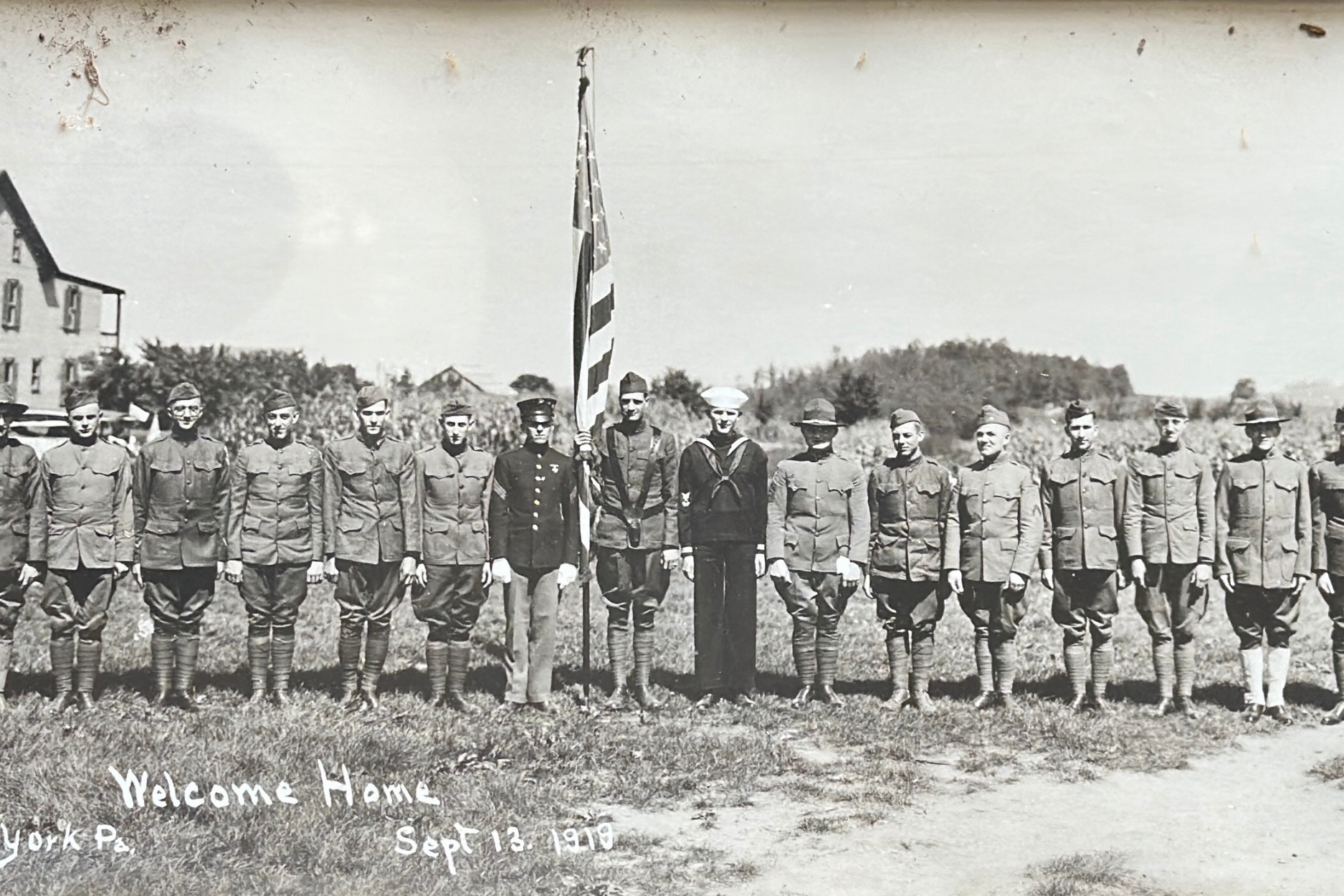
Frequently Asked Questions About Preserving Old Family Photos
What is the best way to preserve old family photos?
The best way to preserve old photographs is to store them in a cool, dry environment using archival quality materials and to create high resolution digital copies. Digitizing photographs protects them from fading, moisture, and physical damage while allowing families to safely share and store the images.
What resolution should photos be scanned at?
For long term preservation, photographs should be scanned at a minimum of 600 DPI (higher for slides and negatives). Preferably, scan your photographs using high-quality, digital camera equipment. This allows you to achieve the highest quality digital scans for all sizes and mediums of photographs slides and negatives. This offers the most flexibility for future printing, restoration, and enlargement while maintaining the original photograph's quality.
Can damaged or faded photos be restored?
In many cases, yes. Photo editing software is always evolving and many photo storage platforms offer basic color correction, red-eye reduction and scratch and dust removal. Professional photo restoration requires a keen eye and a delicate hand when fixing damaged and faded photographs. Our goal is always to retain the original essence of the captured moment. Photographs severely damaged by fire, flood or water are tricky and must be handled properly to assess what can be salvaged.
How long do old photographs last?
Photographs can last many decades if stored properly, but environmental factors like humidity, sunlight, and temperature fluctuations can cause fading and deterioration much faster. Digitizing photos early helps ensure they are preserved before permanent damage occurs.
Should I remove photos from old albums before scanning?
Many older albums contain acidic materials and glues that damage photographs over time, potentially making removal difficult without causing rips, tears, or further damage. Professional photo organizers use various tools and techniques to make this process safer and easier. If photos can be safely removed, it is often best to scan them individually. However, with fragile albums or scrapbooks, digital camera scanning allows capturing high-resolution scans of full pages.
Ready to Preserve Your Family Photos
Every photograph tells part of your family’s story. Over time, printed photographs, slides, and film can fade, deteriorate, or become difficult to access.
Digitizing and organizing your collection today ensures those memories are documented, protected and easy to share with future generations.
If you are feeling overwhelmed by boxes of photographs or simply want to ensure your family history is preserved properly, professional guidance can make the process much easier.
At Magic Lantern Memories, I work with families across New Hampshire and Massachusetts to carefully digitize and preserve photographs, slides, negatives, and home movies. My goal is to help turn fragile collections into organized digital archives that families can enjoy for years to come.
Preserving your memories today means your family will still be able to experience them decades from now. If you are ready to begin protecting your photographs, visit Magic Lantern Memories to learn how we can help safeguard your family’s history.