
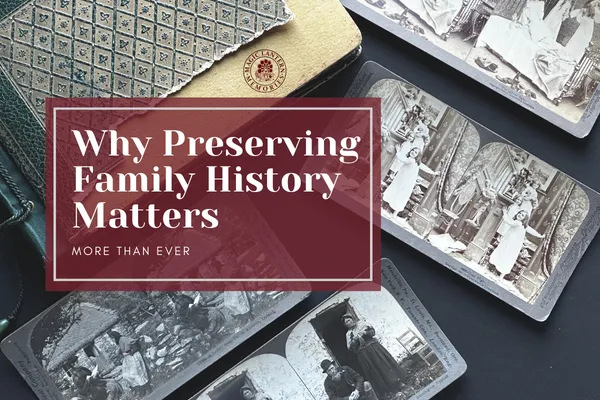
Why Preserving Family History Matters More Than Ever
Family Photographs Are the Visual Story of Our Lives
Every family has a story, and photographs are often the most powerful way that story is remembered.
A single image can show how people lived, where they traveled, the milestones they celebrated, and the relationships that shaped their lives. Photographs capture moments that written records often cannot fully express.
When I work with families, I often hear people say that the most meaningful photos are not always the formal portraits. They are the everyday moments. A birthday party in the backyard. Children playing in the snow. A grandparent sitting at the kitchen table.
These small moments create the larger story of a family’s life.
Preserving those images helps ensure that future generations will be able to see and understand where they came from.
How Family History Gets Lost Over Time
Many families assume their photographs will always be there when they want to revisit them. Unfortunately, that is not always the case.
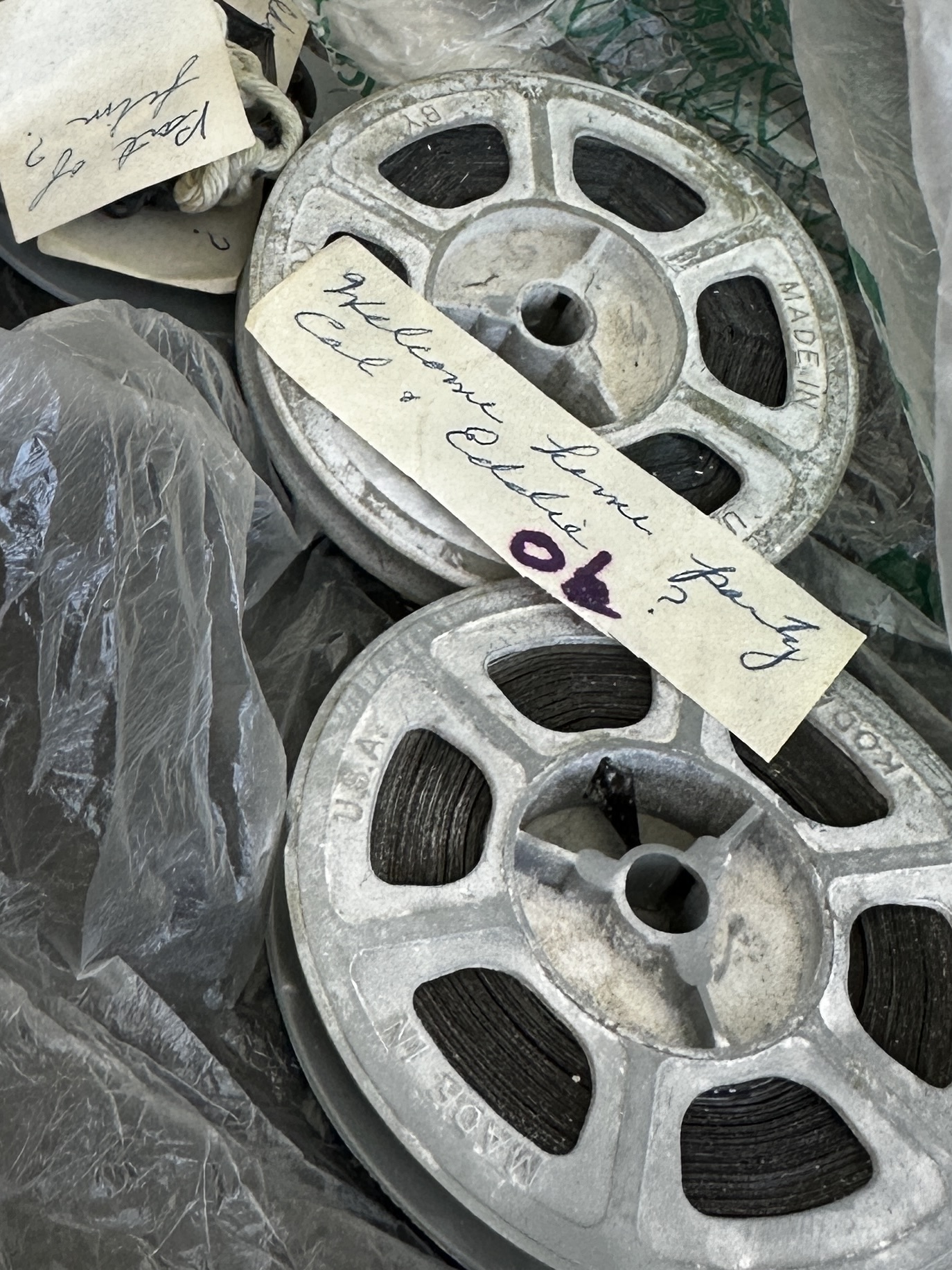
Photographs stored in basements, attics, or garages are often exposed to humidity, temperature changes, and environmental damage. Albums may contain acidic materials that slowly discolor or damage prints. Slides and negatives may sit in boxes for decades with no way to view them.
As time passes, colors fade, images deteriorate, and sometimes entire collections are lost due to water damage, fire, or simple neglect.
By the time many families realize how fragile their photographs are, some of those memories may already be gone.
Preserving family history means protecting these images before that damage occurs.
Why Digitization Is Essential for Protecting Memories
One of the most effective ways to protect family history is by creating digital copies of physical photographs, slides, and film.
Digitization captures the image in high resolution and converts it into a digital file that can be stored safely and backed up. Once digitized, photographs can be shared with family members, organized into digital albums, and protected from the physical deterioration that affects printed images.
Digital preservation also allows families to recover images that have not been seen for many years. Slides and negatives often contain photographs that have never been printed or displayed.
By digitizing these materials, families can rediscover parts of their history that might otherwise remain hidden.
Creating a Digital Family Archive
A digital family archive is more than a collection of scanned photographs. It becomes a structured record of family history.
Images can be organized by year, event, or family member. Names and locations can be added so future generations understand who is in the photographs. Important moments such as weddings, graduations, and family gatherings can be preserved in context.
Over time, this archive becomes a powerful historical resource for the entire family.
Children and grandchildren can explore the lives of relatives they may never have met, learning about their family’s past through photographs and stories.
Why Many Families Are Preserving Memories Now
In recent years, more families have begun preserving their photographs and archives intentionally.
Often this process begins during major life transitions.
Parents may be downsizing (or rightsizing as I like to say), after decades in the same home. Adult children may be helping organize a loved one’s estate. Families may want to gather important memories before a milestone anniversary or family reunion.
These moments often highlight how valuable family photographs truly are.
Preserving them becomes a way to protect the family’s legacy and ensure those memories continue to be shared.
Photographs Are More Than Images. They Are Legacy
Photographs connect generations.
They allow children to see what their grandparents looked like when they were young. They allow families to revisit meaningful moments long after they have passed. They provide a visual timeline that tells the story of a family’s life.
Without preservation, those connections can slowly disappear.
By organizing and digitizing photographs today, families ensure that their history remains accessible and meaningful for future generations.
Frequently Asked Questions About Preserving Family History
Why is preserving family history important?
Preserving family history helps future generations understand where they came from. Photographs, documents, and personal archives provide a visual and emotional connection to the people and experiences that shaped a family.
What is the best way to preserve family photographs?
The most effective approach is to combine proper physical storage with professional digitization. Archival storage protects original photographs, while digital copies ensure the images remain safe even if the physical prints deteriorate.
How can I create a digital family archive?
Creating a digital family archive begins with gathering all of your physical photographs along with your collection of old media types to have them digitized or converted into modern technology standards. This includes everything from slides and negatives to film reels, 4mm and 8mm tapes, VHS, old computers, SIM cards, thumb drives, CDs/DVDs and mobile phones. These files can then be culled and merged with your digital collection into a central digital hub and organized by event, year, location, or family member and stored securely with backups.
What is the safest way to store digital photos?
Digital photographs should be stored in multiple locations. As a certified photo organizer, I encourage all of my clients to implement a 3-2-1 backup strategy. This can include a combination of external hard drives and cloud storage, located in multiple physical locations, to ensure the digital archive remains accessible, protected and private.
When should families begin preserving photographs?
The sooner the better. Vintage media types do deteriorate over time. Currently, the average person has approximately 45,000 photos in their photo library and this number is growing exponentially every year. Having an easily accessible, searchable library of your photo collection means find the photo of what you want, when you want it, every time.
Ready to Protect Your Family’s History
Family photographs and home movies are one of the most meaningful connections we have to the past.
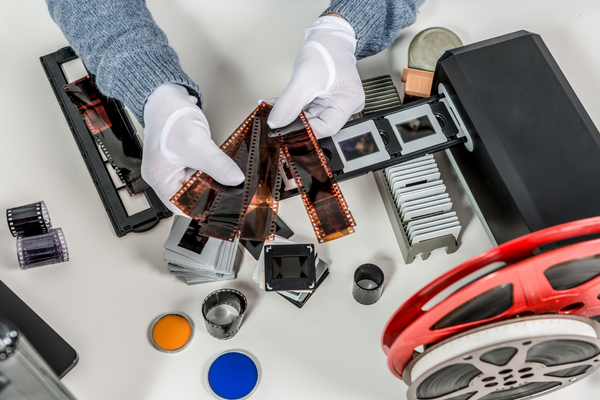
If you have boxes of photographs, home movies, slides, or film that have not been viewed in years, now is the time to preserve them. Digitizing and organizing your collection ensures those memories remain safe and accessible for generations.
At Magic Lantern Memories, I work with families throughout New Hampshire and Massachusetts to carefully digitize and preserve their photographs, slides, negatives, and home movies and create curated keepsakes like photo books, slideshows and video montages. My goal is to help families transform fragile collections into organized digital archives that will last for generations.
Preserving your family’s history today ensures those memories remain part of your story for decades to come.